The Rise of Electronic Archiving in Modern Business

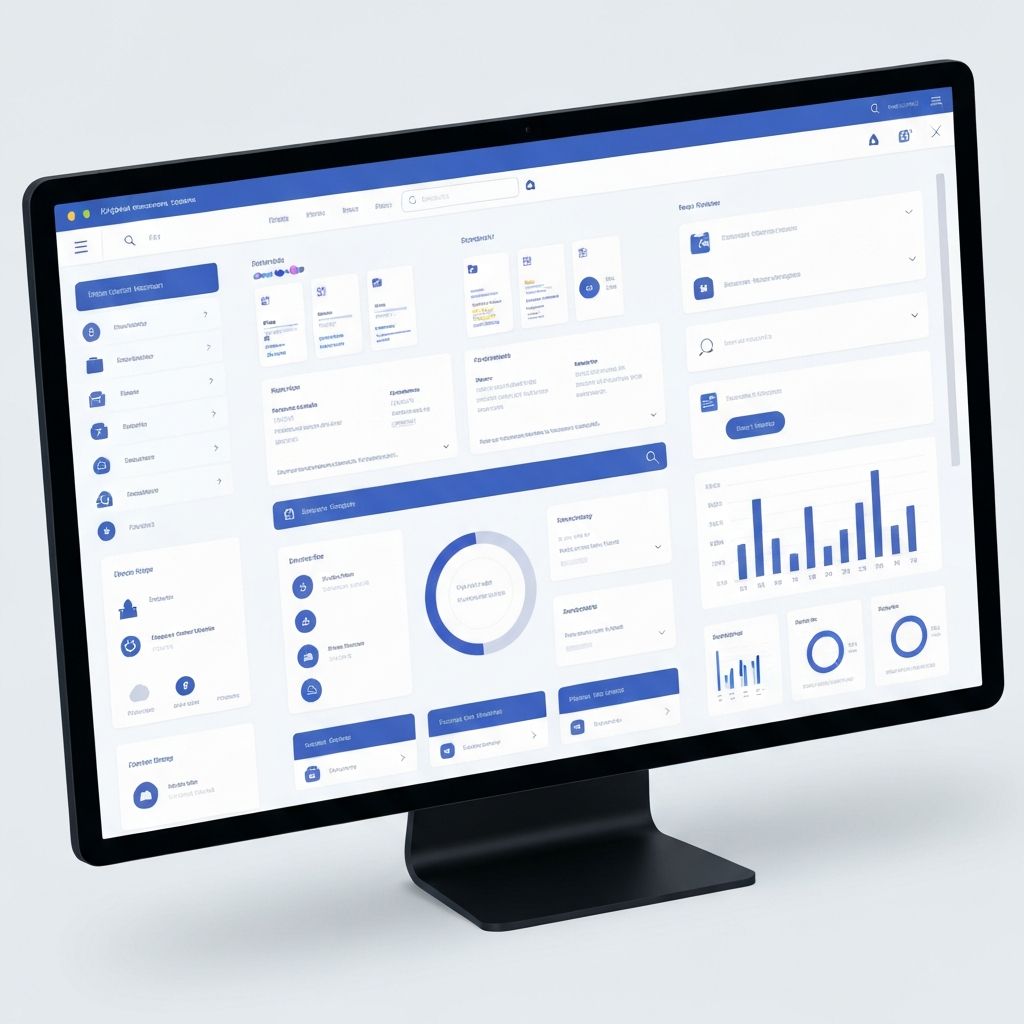
Electronic archiving and document management systems have become essential tools for modern businesses seeking to improve efficiency, ensure compliance, and reduce physical storage costs. These systems transform how organizations capture, store, retrieve, and manage their critical business documents.
The Business Case for Electronic Archiving
Traditional paper-based archiving is costly, space-consuming, and vulnerable to damage or loss. Electronic archiving eliminates physical storage costs, enables instant document retrieval, improves disaster recovery capabilities, and ensures better security through access controls and encryption.
Key Features of Modern Document Management
Today's electronic archiving systems offer sophisticated capabilities including optical character recognition (OCR) for searchable scans, automated classification and indexing, version control, workflow automation, audit trails, and integration with other business systems like ERP and CRM platforms.
Regulatory Compliance and Legal Requirements
Many industries face strict document retention and compliance requirements. Electronic archiving systems help organizations meet these obligations through automated retention policies, tamper-proof storage, complete audit trails, and the ability to quickly produce documents for audits or legal proceedings.
Workflow Automation and Collaboration
Beyond simple storage, modern systems enable workflow automation for document-based processes. Approval workflows, automated routing, electronic signatures, and collaboration tools streamline business processes and reduce processing time for critical documents.
Security and Access Control
Electronic archives implement multiple security layers including encryption at rest and in transit, role-based access controls, multi-factor authentication, and detailed activity logging. These measures ensure that sensitive documents remain secure while being accessible to authorized users.
Cloud vs. On-Premise Solutions
Organizations must choose between cloud-based and on-premise archiving solutions. Cloud systems offer scalability, accessibility, and lower upfront costs, while on-premise solutions provide greater control and may be preferred for highly sensitive data. Hybrid approaches are also available.
Implementation Best Practices
Successful electronic archiving implementation requires careful planning of document classification schemes, migration strategies for existing documents, user training, integration with existing systems, and ongoing maintenance procedures. Start with high-priority document types and expand gradually.
Tags
Nadia Kamal
Information Management Specialist
Nadia Kamal is a seasoned technology professional with extensive experience in digital solutions. At SkyLink, he leads initiatives that drive innovation and deliver exceptional results for our clients.