Cybersecurity Best Practices for Remote Teams

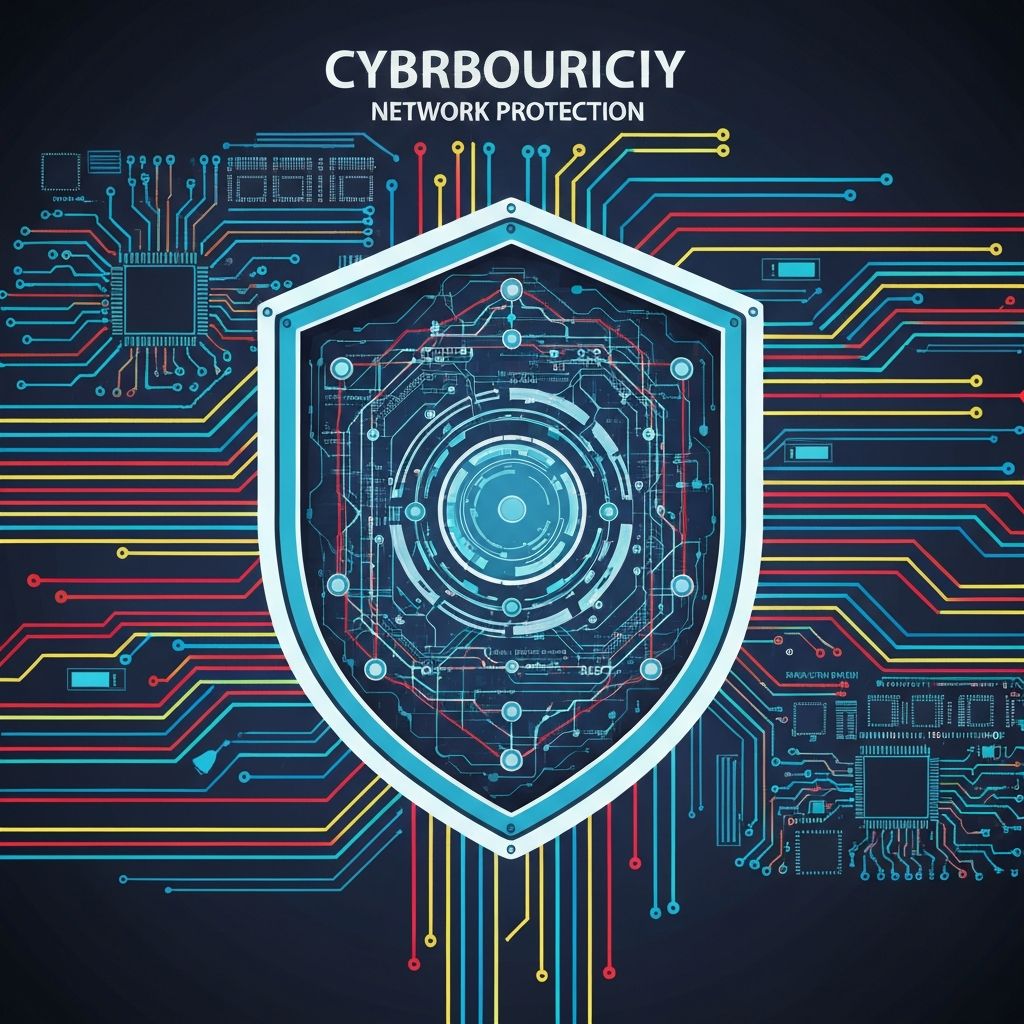
The shift to remote work has created new cybersecurity challenges for organizations worldwide. With employees accessing company resources from various locations and devices, implementing robust security measures has become more critical than ever.
Understanding Remote Work Security Risks
Remote work environments introduce multiple security vulnerabilities, including unsecured home networks, personal device usage, increased phishing attacks, and difficulties in monitoring network traffic. Organizations must address these risks proactively to protect sensitive data.
Zero Trust Security Model
Implementing a zero-trust security model is essential for remote teams. This approach assumes no user or device should be trusted by default, requiring continuous verification for all access requests regardless of whether they originate from inside or outside the network perimeter.
Multi-Factor Authentication (MFA)
MFA adds an extra layer of security beyond passwords, significantly reducing the risk of unauthorized access. Organizations should enforce MFA for all remote access to company systems, applications, and data, using methods such as biometrics, security tokens, or authenticator apps.
Secure VPN Connections
Virtual Private Networks (VPNs) create encrypted tunnels for data transmission, protecting sensitive information from interception. Remote teams should always use company-approved VPNs when accessing corporate resources, especially when using public Wi-Fi networks.
Regular Security Training
Human error remains one of the biggest security vulnerabilities. Regular security awareness training helps employees recognize phishing attempts, understand safe browsing practices, and follow proper data handling procedures when working remotely.
Endpoint Security Solutions
With remote workers using various devices, comprehensive endpoint security is crucial. This includes antivirus software, firewalls, encryption, and mobile device management (MDM) solutions to secure and monitor all devices accessing company networks.
Conclusion
Protecting remote teams requires a multi-layered approach combining technology, policies, and user education. By implementing these best practices, organizations can create a secure remote work environment that protects both company assets and employee privacy.
Tags
Omar Saeed
Cybersecurity Specialist
Omar Saeed is a seasoned technology professional with extensive experience in cybersecurity. At SkyLink, he leads initiatives that drive innovation and deliver exceptional results for our clients.