The Rise of Edge Computing: Benefits and Implementation

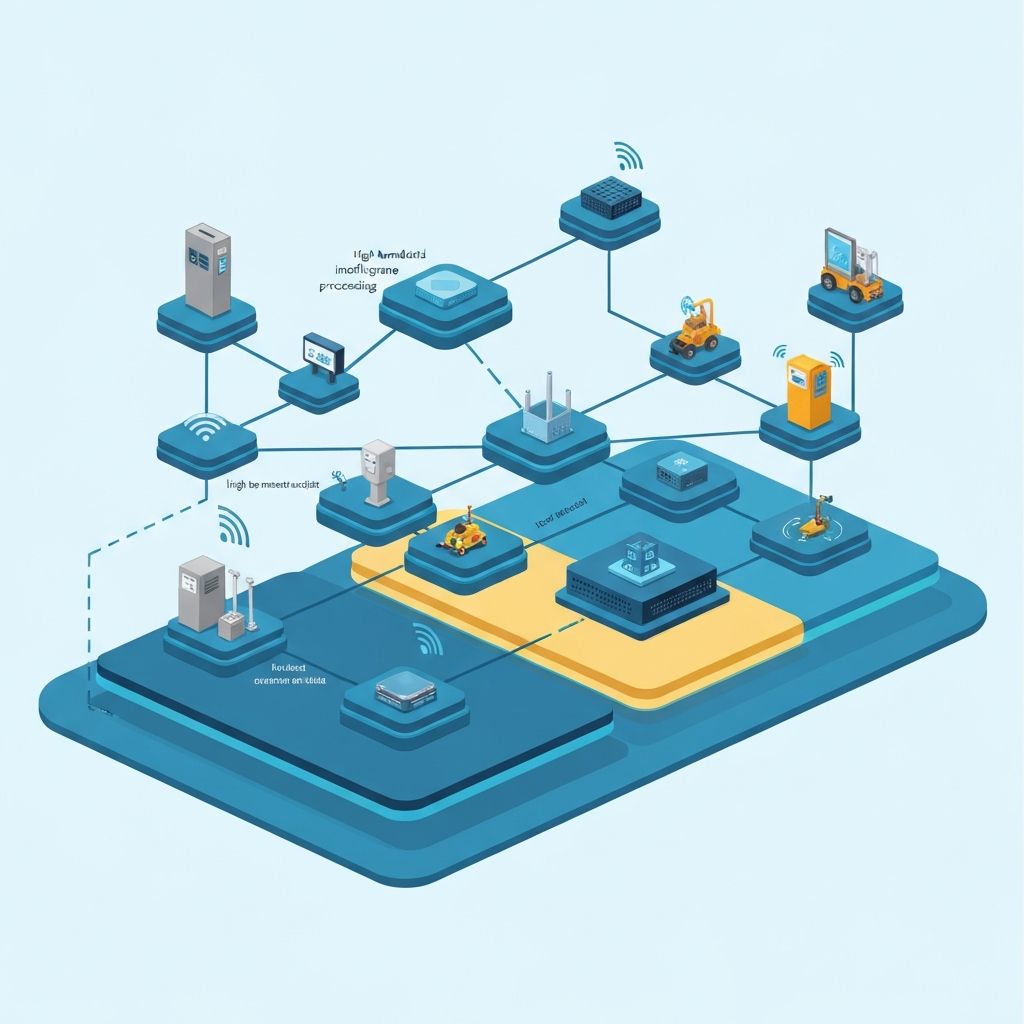
Edge computing is transforming how organizations process and analyze data by bringing computation closer to data sources. This paradigm shift offers significant advantages in terms of latency, bandwidth, and real-time decision-making capabilities.
What is Edge Computing?
Edge computing refers to processing data near the source of data generation rather than relying on centralized cloud data centers. This approach reduces latency, conserves bandwidth, and enables real-time processing for time-sensitive applications.
Key Benefits
Edge computing offers numerous advantages: reduced latency for real-time applications, decreased bandwidth costs by processing data locally, improved reliability through distributed architecture, enhanced privacy by keeping sensitive data local, and better scalability for IoT deployments.
Use Cases Across Industries
Manufacturing uses edge computing for real-time quality control and predictive maintenance. Healthcare leverages it for remote patient monitoring. Retail employs it for personalized customer experiences. Smart cities utilize it for traffic management and public safety applications.
Implementation Considerations
Successful edge computing implementation requires careful planning of infrastructure placement, security measures for distributed systems, management tools for remote devices, and integration strategies with existing cloud platforms for hybrid edge-cloud architectures.
Security at the Edge
Edge devices can be vulnerable to physical tampering and cyber attacks. Organizations must implement robust security measures including encryption, secure boot processes, regular updates, and monitoring systems to detect and respond to threats quickly.
The Future of Edge Computing
As 5G networks expand and IoT devices multiply, edge computing will become increasingly important. We can expect more sophisticated edge AI capabilities, better integration with cloud platforms, and new applications that weren't possible before.
Tags
Youssef Ibrahim
Infrastructure Architect
Youssef Ibrahim is a seasoned technology professional with extensive experience in edge computing. At SkyLink, he leads initiatives that drive innovation and deliver exceptional results for our clients.